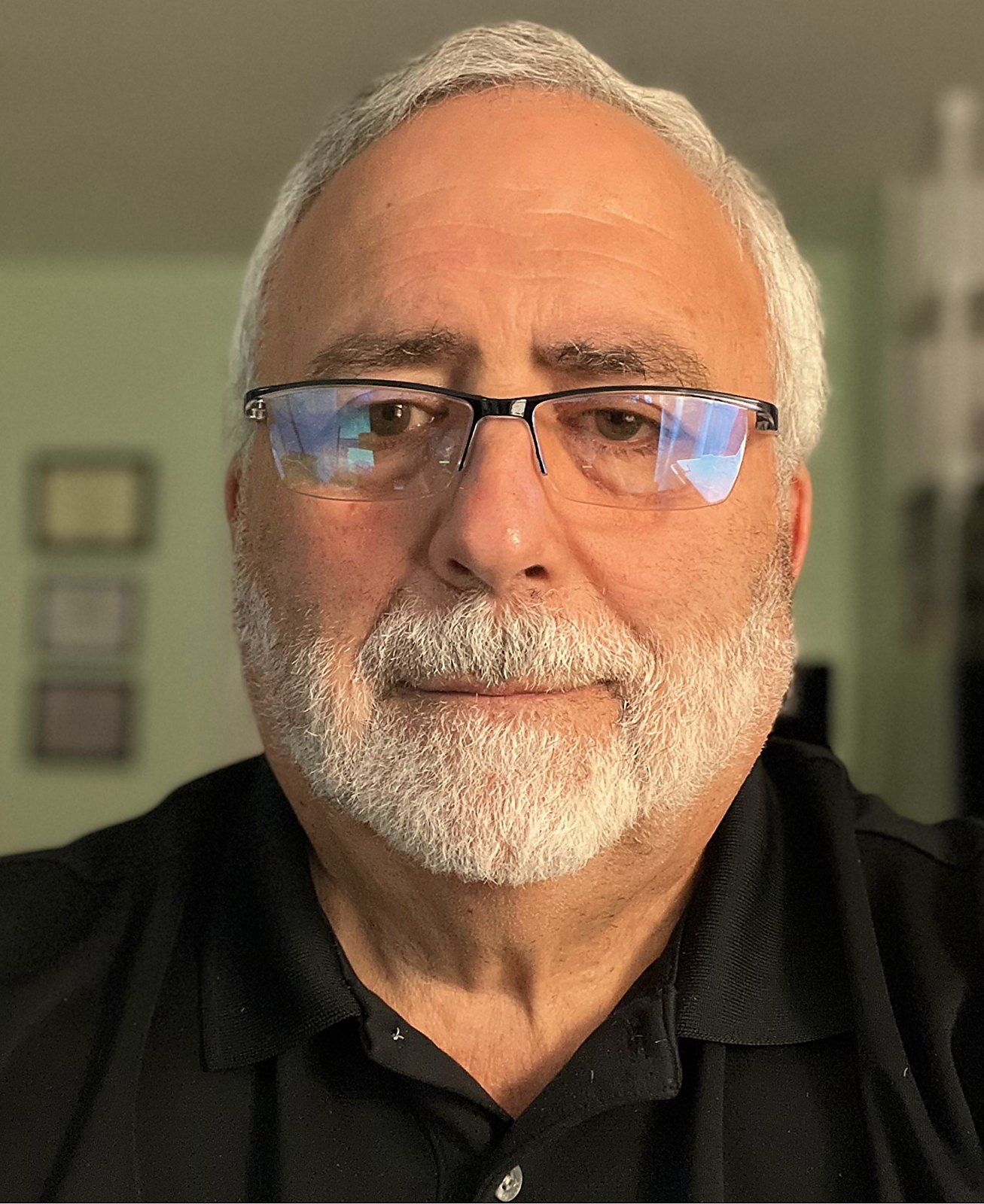
Dr. Gary Probst, Psy.D., LPC
Licensed Professional Counselor · Educator · Author
I grew up in a small town in Southwest Wisconsin's lead and zinc mining region. My brother and I knew that we were different, but we did not understand why. Being autistic without knowing it made parts of childhood confusing, especially bullying and social expectations that seemed illogical.
Over time, experiences that once felt disconnected began to make sense. I came to understand myself as Level One autistic. That understanding did not rewrite my past; it gave me a better framework for understanding it.
Autistic Living grows from that experience and from my desire to replace shame with understanding, confusion with useful knowledge, and unnecessary self-doubt with a clearer sense of identity.
My professional journey began in broadcasting. I worked as a news anchor in Rock Island, Illinois, and Madison, Wisconsin, and as an investigative news reporter in Rock Island. I also participated in the development of a radio station in Madison and completed a turnaround of a radio station in Janesville, Wisconsin.
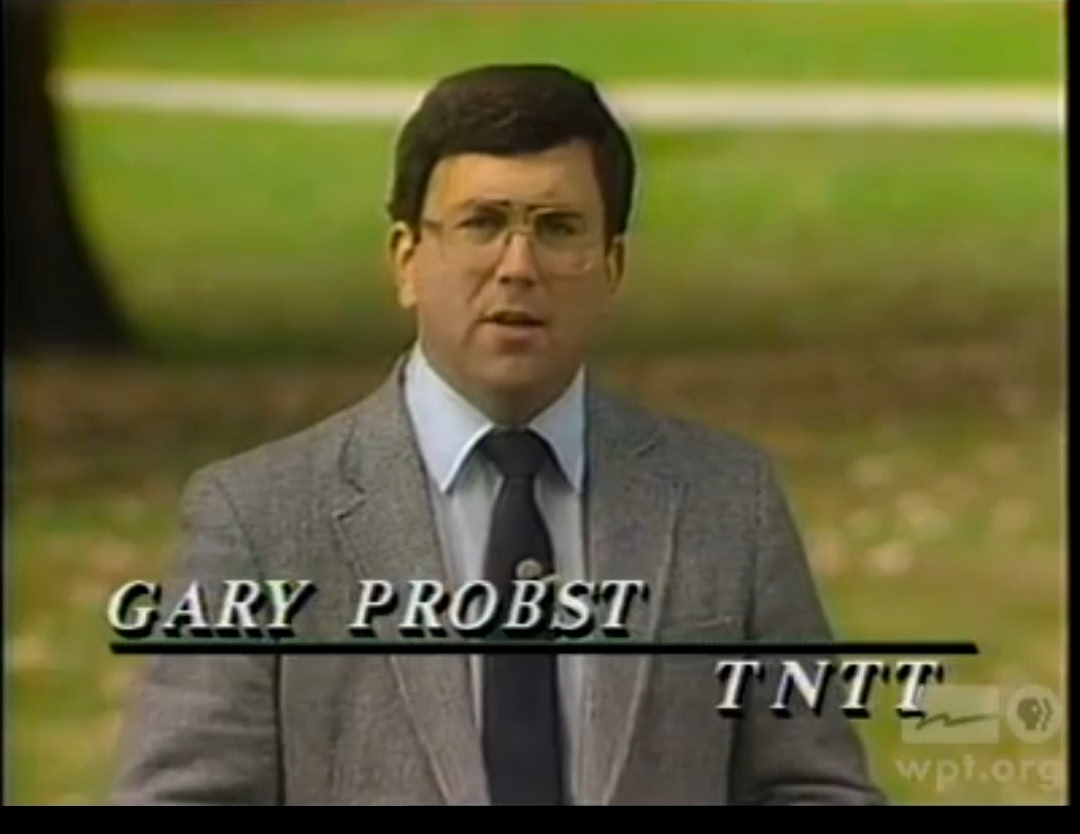
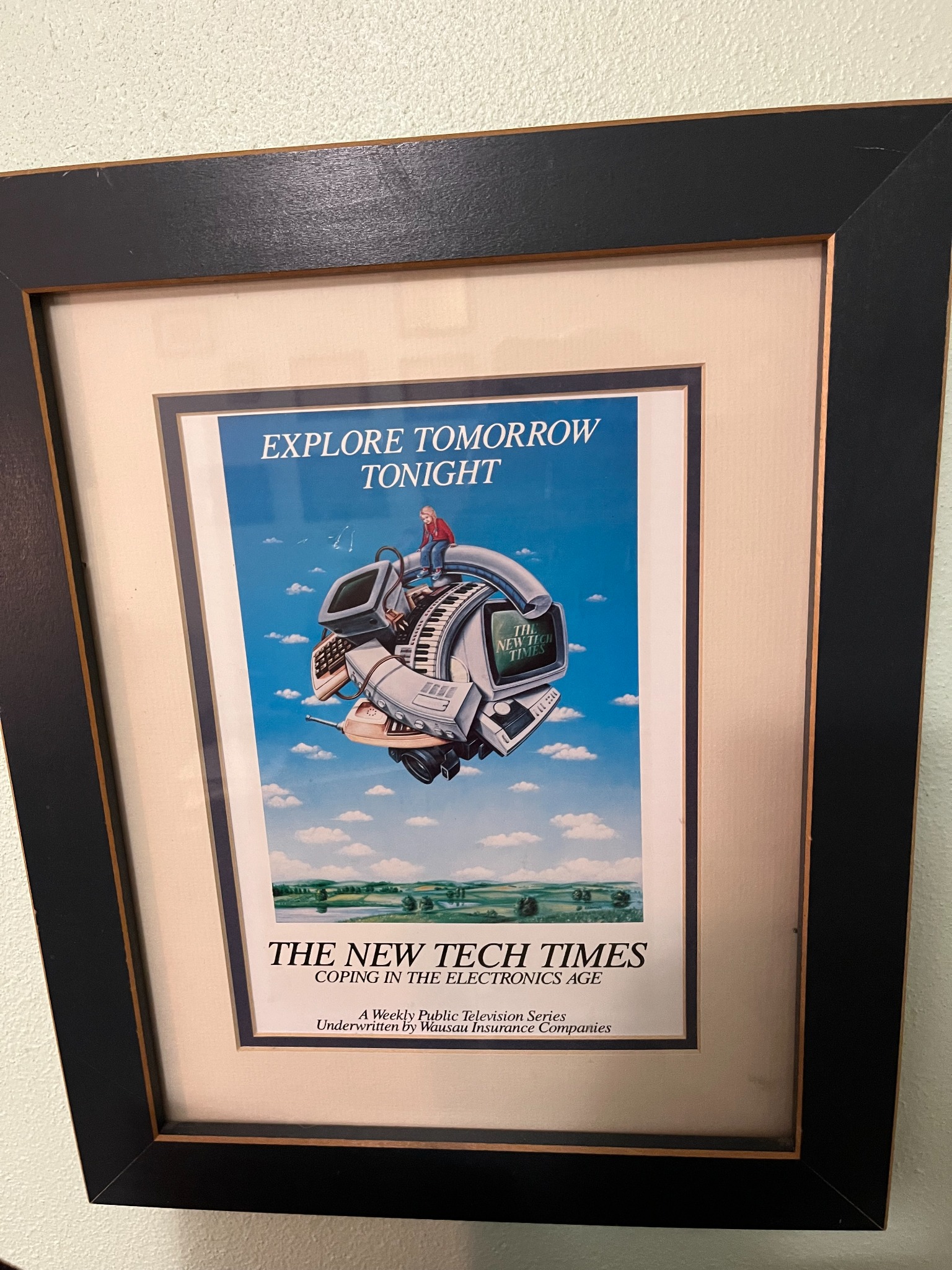
During the 1980s, I served as a reporter/producer and managing editor for The New Tech Times, a national PBS newsmagazine covering technological developments at the beginning of the digital age. After the program ended, I won a national award for WHA-TV in Madison for corporate sponsorship of PBS programming.
Broadcasting taught me how to take complicated subjects and communicate them to a general audience. That same principle is central to Autistic Living today.
I am Level One autistic, and I have built successful careers in three very different fields: broadcasting, financial services, and psychology.
After broadcasting, I entered commercial insurance to improve my financial position. I worked as a commercial insurance agent and qualified for Leaders' Trips with both Sentry and Rural Mutual Insurance. That career gave me extensive experience in business, sales, client relationships, and competitive professional environments.
Later in life, I made another major career change because I wanted to be of greater service to humanity. Today, I am in the field of psychology and mental-health counseling as a Licensed Professional Counselor. My work includes counseling, coaching, education, and helping people better understand autism and other life challenges.
These careers give me an unusual combination of experience in media, business, communication, counseling, and coaching. Being autistic has been part of my life through all of them.
I founded two nonprofit organizations dedicated to helping counselors in training. This work reflects my commitment to supporting emerging professionals and strengthening the counseling field.
I earned my Doctor of Psychology (Psy.D.) from California Southern University, graduating magna cum laude.
I also hold two master's degrees from Liberty University: a Master of Arts in Professional Counseling and a Master of Arts in Management & Leadership.
My education in psychology, counseling, and leadership supports my work as a Licensed Professional Counselor (LPC), educator, and author.
In addition to my current counseling and coaching work, I serve as an adjunct professor for three Christian universities. I teach counseling and sports psychology and work with doctoral students on dissertations in psychology and counseling.
Teaching allows me to bring practical experience into higher education while staying engaged with scholarship and the development of future professionals. It also complements the mission of Autistic Living: making psychological ideas understandable, practical, and useful beyond the classroom or clinic.